






Article
How to Use a Massage Ball

Oct
Whether you already have one or are just thinking about getting one, I can confidently say that a massage ball is one of the simplest and most powerful tools you can keep on hand and use for a lifetime. Let me explain.
Sometimes Small Muscles Get Tight
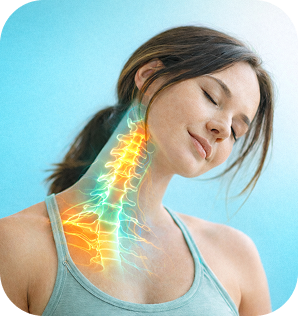
Sometimes these muscles are in your back. Occasionally you get out of bed and one of these tiny, tight muscles causes your entire back to seize up—you miss a workday, a presentation, and so on. The point is: sometimes back pain can throw off your entire day. Am I overdramatizing? Maybe, but doctors and physical therapists hear this almost daily. It’s very common.
How to Prevent Back Pain with a Massage Ball
The night before, you spend five minutes loosening the muscles around your spine, you relax, you sleep well. You wake up refreshed, arrive on time, and deliver an excellent presentation. If you know a little about how to work on yourself at home with self-myofascial release (SMR), you can often save yourself from stubborn neck or back pain and sore muscles.
How to Get Started with a Massage Ball

Using a massage ball is like getting your car’s alignment checked. When the frame is balanced—just like your muscles and skeleton—the tires don’t wear unevenly and the car drives smoothly and straight. Most therapists are trying to restore your balance in some way. What you can always do at home: develop a sense of what’s tight (or what’s “out of alignment”), and learn a few simple methods to speed up the process. In short: working tight muscles balances the load around your joints—and that makes your joints happy.
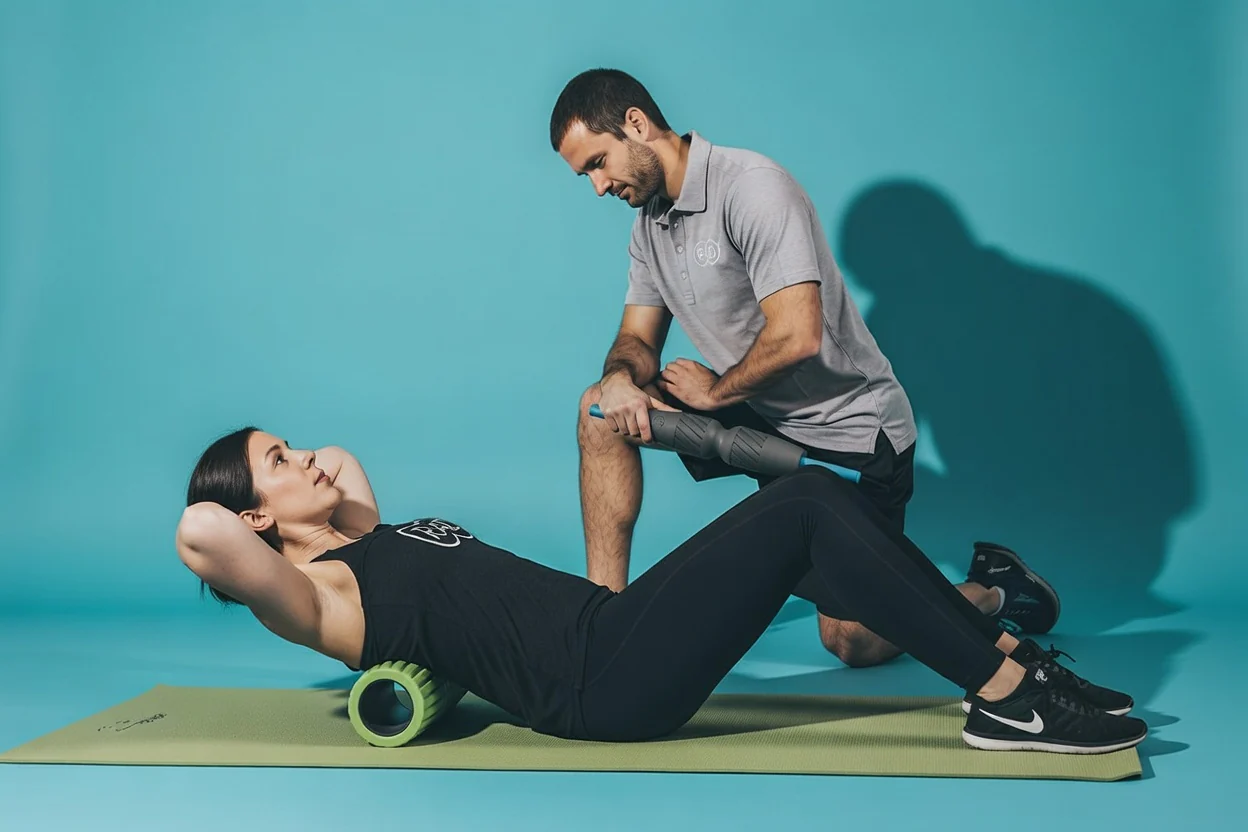
Massage Balls for Recovery

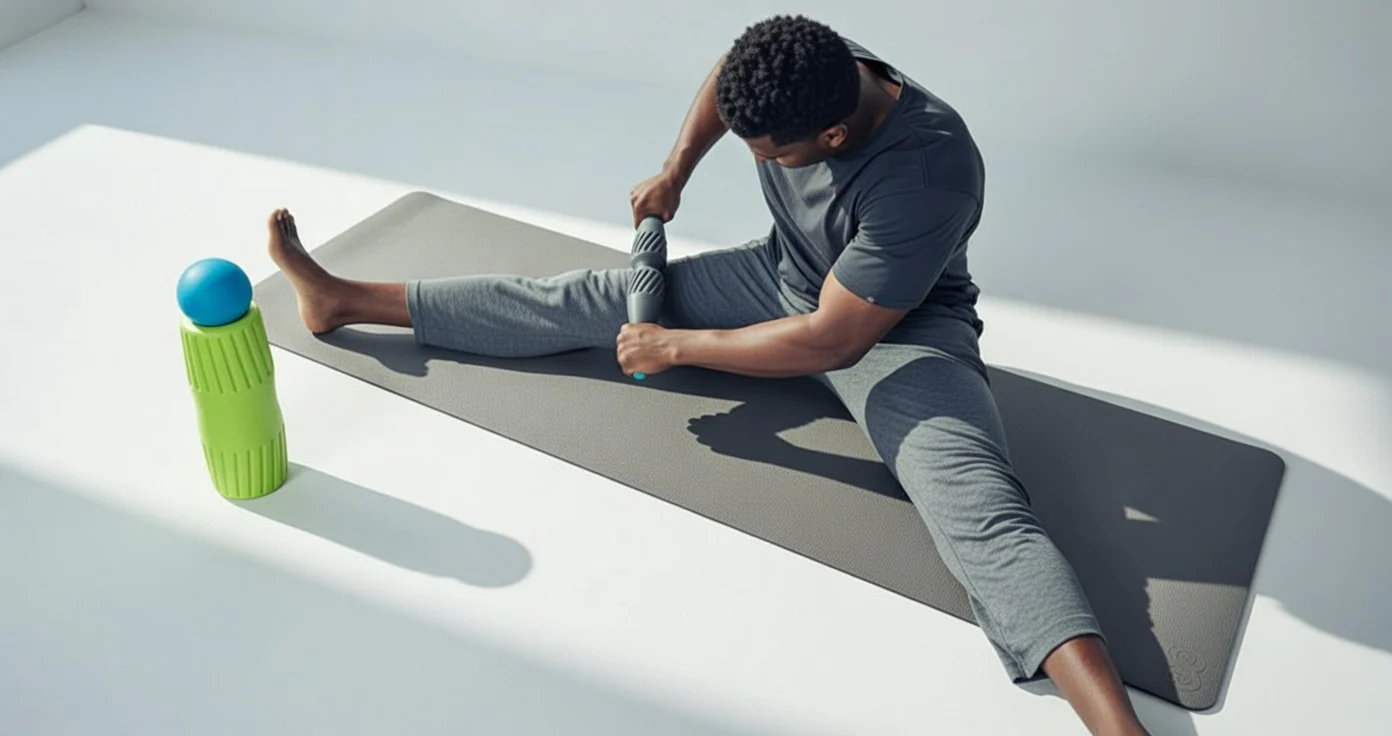
If you’re dealing with sore muscles or want to recover quickly, you’ll need a larger, medium or soft tool. Just think about pressing a hard lacrosse ball deep into a very sore hip—not pleasant. With a larger ball, the bigger surface area means you’re naturally using less pressure. Here the goal is long, continuous, sweeping movements across the muscles that stimulate circulation, relieve pain and tension, and bring blood back into the muscles and connective tissue.
Massage Balls for Posture and Range of Motion
If you want to change your posture or improve a joint’s range of motion, you typically need a smaller surface area and sustained pressure. Poor posture is often a mix of several things: it could be muscle tension pulling on the spine, it could be a lack of awareness (you have the range of motion but don’t use it), and it could also be a lack of strength to hold the joints in place.
It takes time for a muscle to “release”—we recommend about 60 seconds per area. While for recovery you roll back and forth over an area, to open up range of motion you stay on one spot with sustained pressure. In terms of firmness, something about tennis ball softness is appropriate, and your body weight provides plenty of pressure. These are sometimes called “trigger point balls.” Remember: there are smaller and larger muscle groups—if you’re working the muscles of your thumb, you might need a very small ball. Don’t ignore pain signals: keep the pressure low enough that it doesn’t hurt. If you find yourself holding your breath, you’re probably pressing too hard.
Massage Balls for Relaxation

For stress relief or simply unwinding, a massage ball is a huge help. Why? Because tension gets stored in the body even after the triggering stress has passed. The goal is to relax your mind and body at the same time while gently rolling through the tissues. If you feel real pain, ease off—self-massage should always be a calming experience.
It can take a few minutes for your nervous system to settle down and let go. This is completely normal; when you focus on your body and breathing, you allow your nervous system to relax. Look for something soft and/or large, focus on big movements (like opening up the entire spine), and remember: breathing is your guide. Sink into the tool, focus on your breathing, and feel the tension begin to melt away.
It Shouldn’t Hurt

The goal is to get out of pain, not go back into it. Self-massage (myofascial release) shouldn’t hurt. It’s worth distinguishing between the tension felt at the peak of a stretch and actual pain—this is the difference between discomfort and a pain signal. A little discomfort is fine. If the tissue won’t relax, ease your breathing and visualize that tissue relaxing. This is an important signal to your nervous system that what you’re doing is safe and normal. If you find yourself tensing up or holding your breath, reduce the pressure or switch to another spot.
If you’re rolling or releasing on muscle tissue (and not directly on a joint) and still feel unavoidable pain, simply stop or switch to another area. If after slow, controlled use you feel worse or more restricted, that’s a good sign to talk to your therapist. For deep or chronic pain, we always recommend consulting a doctor or physical therapist—they can usually show you how to do this work at home tailored to your specific condition.
Examples of Massage Balls
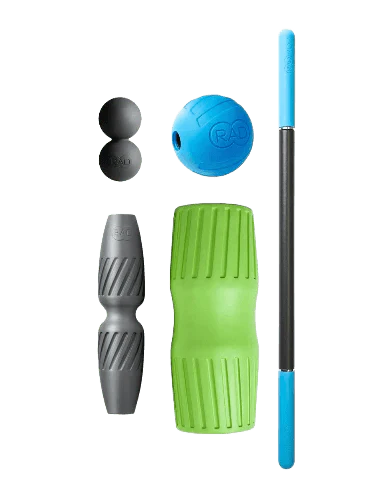
Let’s look at a few RAD products and where to use them.
Larger Massage Balls
Meet the RAD Atom and the Centre—two larger massage balls built for very different purposes.
RAD Atom
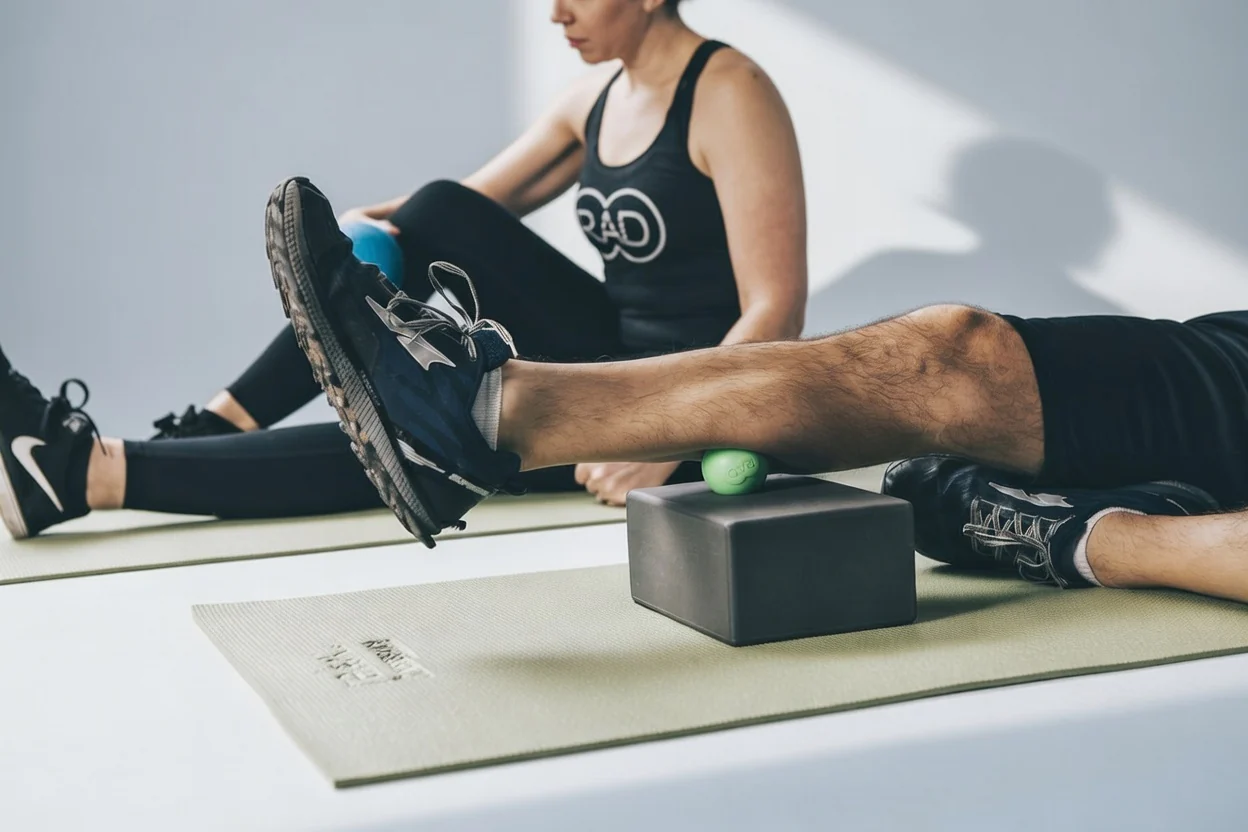
The RAD Atom is a firm massage ball designed specifically for working larger muscle groups. Big muscles—glutes, thighs, etc.—are less “refined”: they’re supplied by fewer nerves, so they can handle a bit more pressure. (The other end of the spectrum is the eye muscle, which is supplied by about a hundred times more nerves.) Knowing this, we don’t need to be as gentle with big muscles—they can handle greater pressure because they’re simply bigger. This ball is firm because it needs to be.
Where Does It Work Best?
- Glutes—big muscles need a big surface area.
- Chest/pecs—just the right size for opening up the chest; your posture will thank you.
- Hamstrings/adductors—the massive posterior and inner thigh muscles need a large tool.
RAD Centre
Soft and cushioned—that’s the essence of the RAD Centre. This inflatable massage ball was designed for one of the forgotten muscle groups in self-massage: the abdominals. The thick tissue group of the abs can definitely get tight; this can create pressure in the chest, limit full lung expansion, and the obliques can twist the entire spine. Use this ball with gentle pressure.
Where Does It Work Best?
- Abs—makes a huge difference, trust me.
- Upper back—lean back onto the Centre for a big stretch (opening) of the back.
Medium-Sized Massage Balls
Here come more familiar-sized balls, from soft to firm. As a general rule: higher up (like at the neck) use softer, lower down (legs, feet) a firmer ball is more useful.
RAD Roller
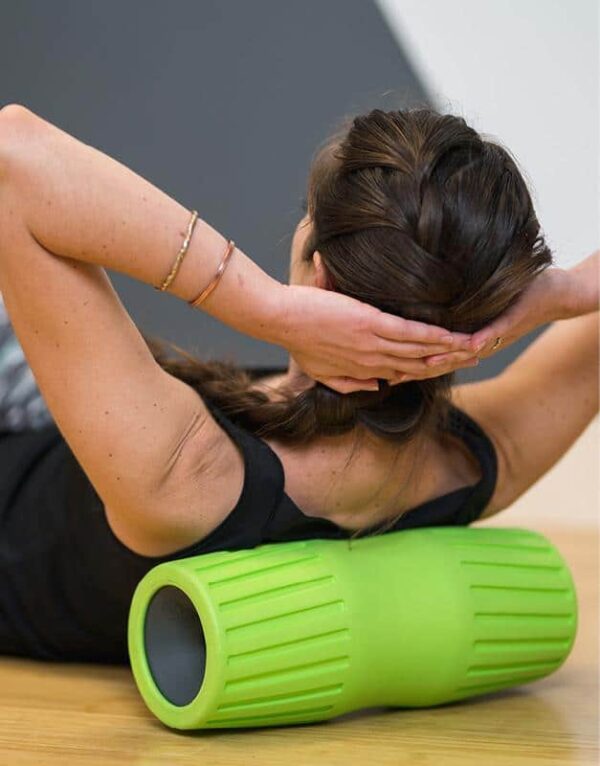
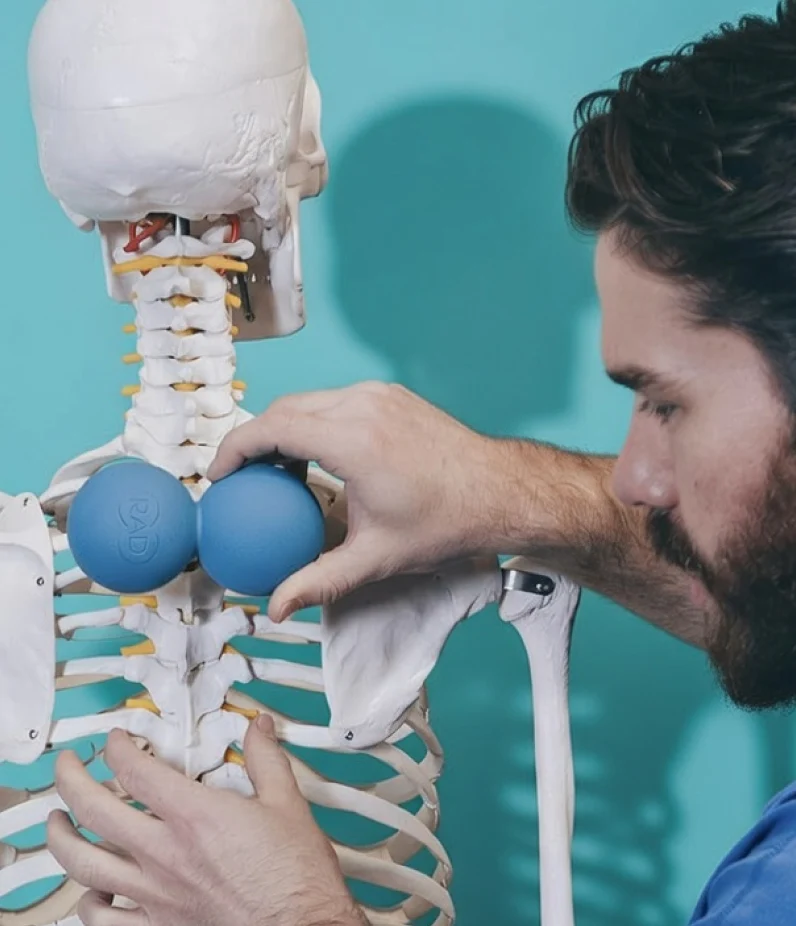
We can’t skip the anatomy here either. You need to know your thoracic spine: this is the middle section of the spine where all your ribs attach, where your heart and lungs are, and it moves with every breath in and out (or at least it should). Many therapists consider this the center of the spine, the most important to keep functioning well. If you can dedicate five minutes a day to keeping it mobile, it can ease lower back, neck, shoulder, and practically every other pain.
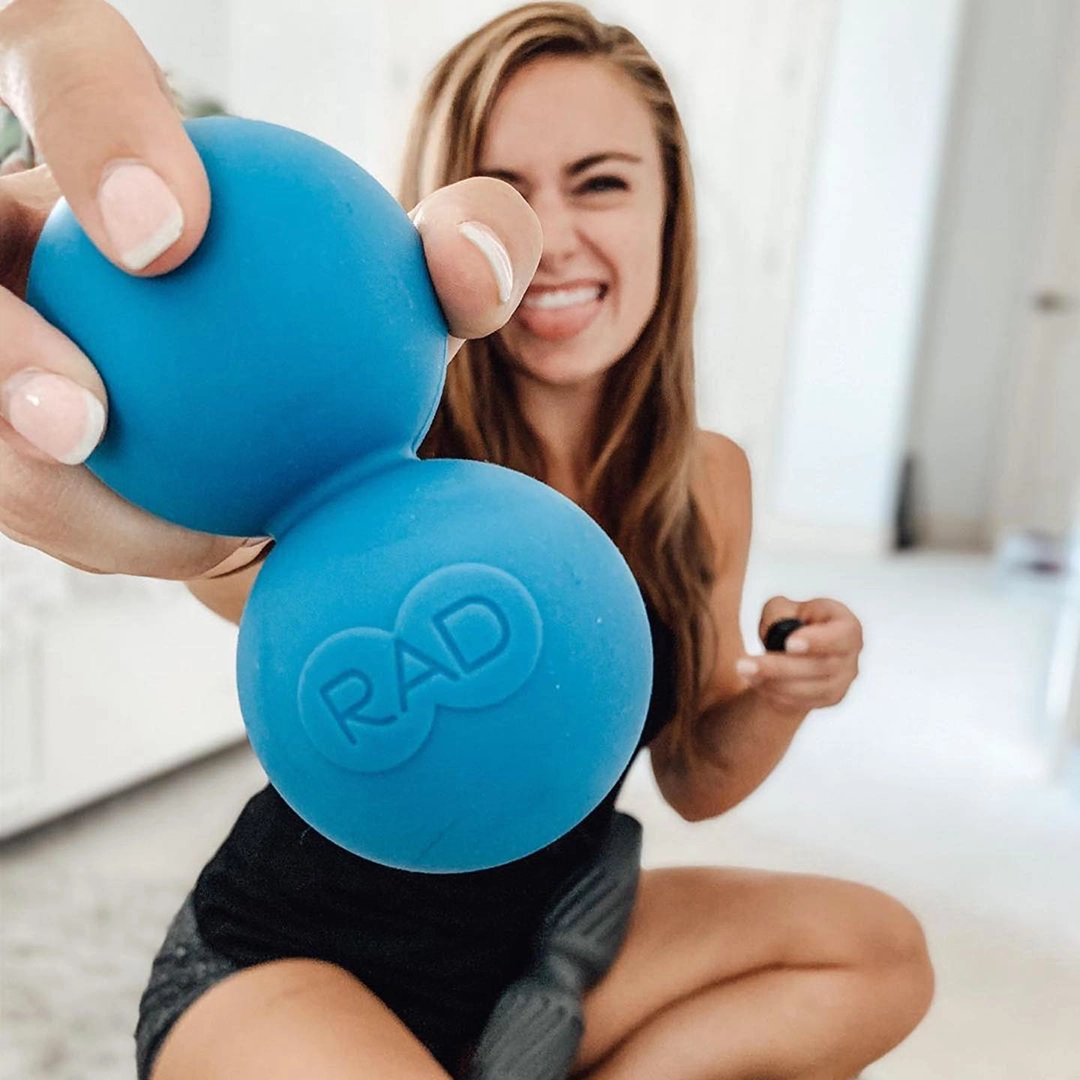
The RAD Roller’s two connected balls can evenly support both sides of the spine—something a single ball can’t do.
Where Does It Work Best?
- Mid-back (thoracic spine)—perhaps one of the most important uses in our entire toolkit.

- Feet—the two connected sides provide stable support for working every part of the sole.
- Calves—the center groove protects the spine but fits perfectly along the Achilles tendon, so you can work the calf from top to bottom.
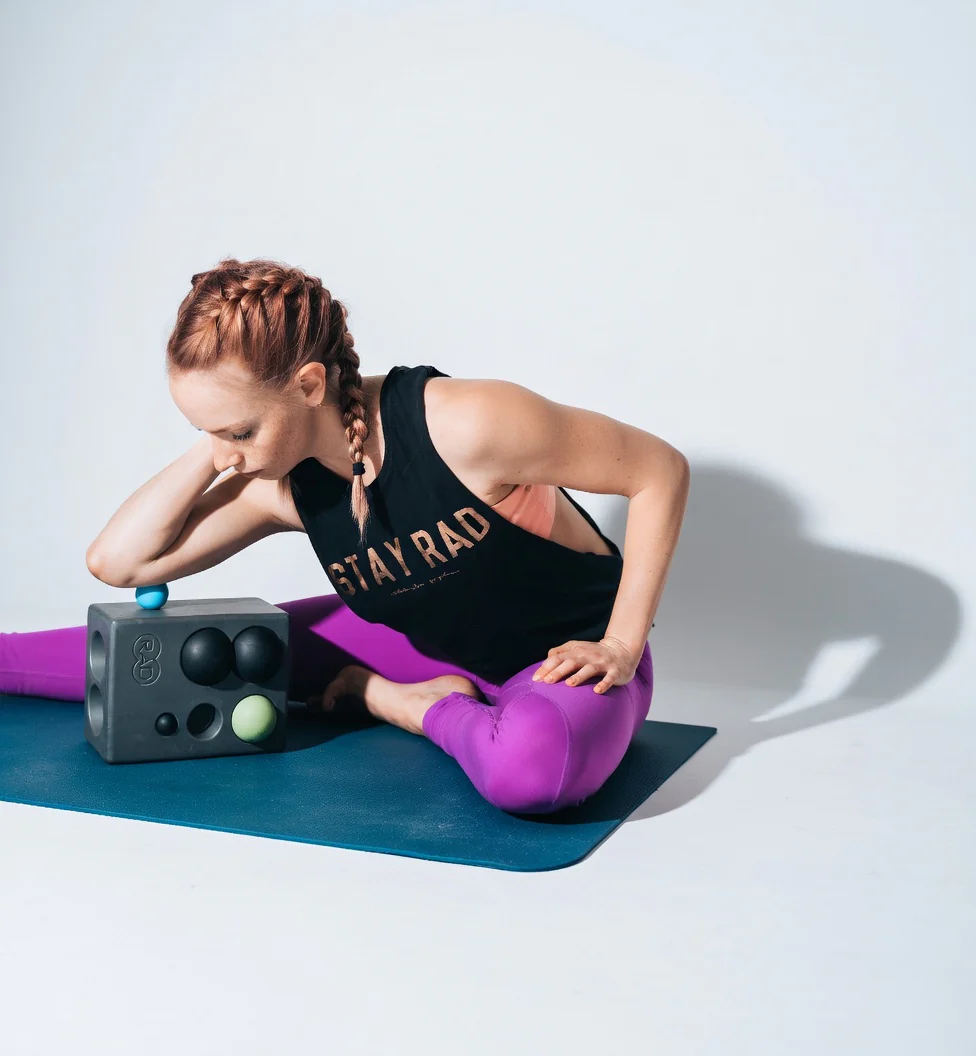
RAD Rounds
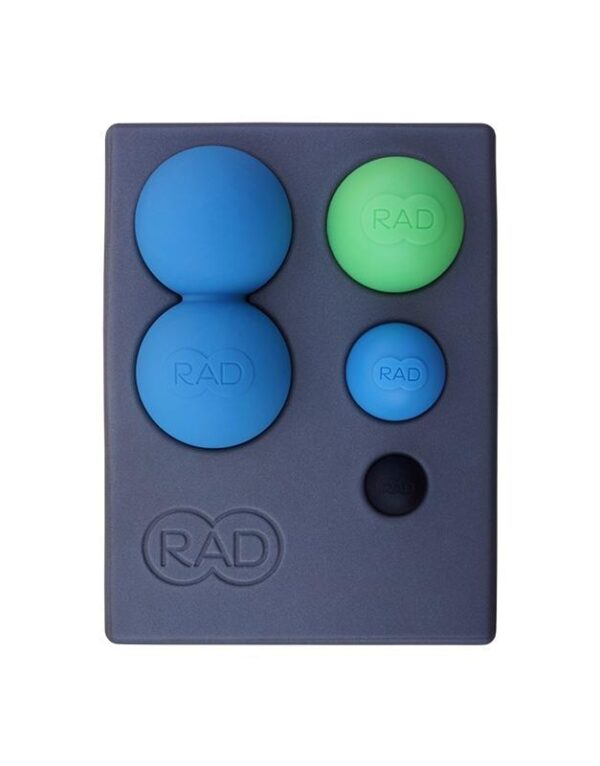
The tiny trifecta! These small balls go where the above balls can’t fit: the muscles of the thumb, the jaw, or the tiny muscles between the metatarsals. Small muscles need recovery just like big ones—just think of “texting thumb,” the inflammation in the thumb from phone use.
These are three different balls in three different firmnesses. The large green Round is the softest, the black Micro Rounds are the smallest and firmest—the latter is the smallest massage ball we know of.
Where Do They Work Best?
- Feet—the larger Round as a warm-up to the smaller ones.
- Jaw and face—the jaw muscles are closely connected to the neck muscles; these are just the right size.
- Forearm and hand—smaller muscle groups need a smaller tool; the Micro Round helps map out the hand and surrounding area.
Recovery Rounds
These are our softest silicone tools. We designed them in collaboration with Tiffany Cruikshank (Yoga Medicine), who wanted a softer tool for gentle entry into the tissues. But it’s not just about being gentle: if you regularly use self-massage to open up your muscles, you can get just as much release from a soft tool as from a very firm one. (see: Recovery Rounds)
Where Do They Work Best?
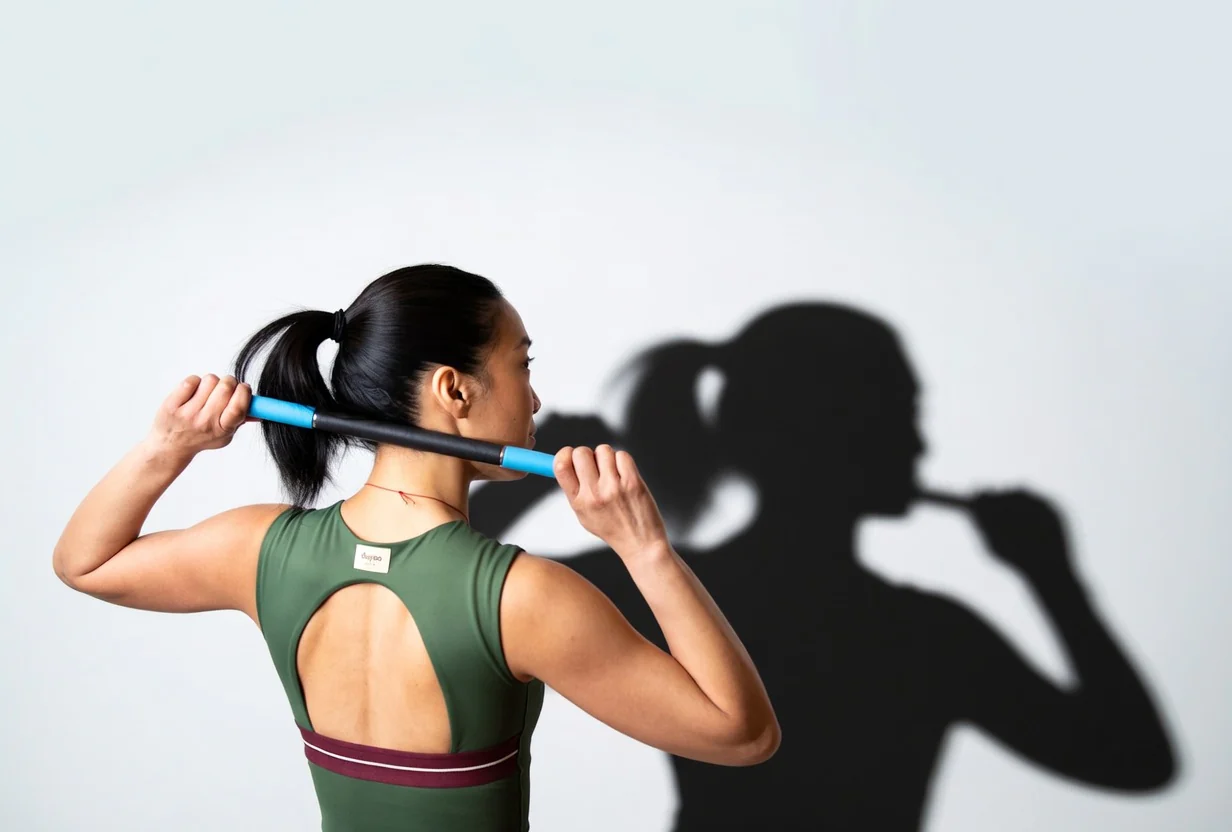
- Back and neck—soft enough even for the very tight muscles of the neck; always use a softer ball for the small, sensitive muscles there.
- Hips—very tight for many people; with these you can work into them gently.
- Anywhere else—can be used almost anywhere and simply feel good.
How Long Should I Use a Massage Ball?
Common question! If you’re dealing with neck and shoulder pain, for example, spend about 5 minutes per shoulder and per side of the neck. Choose a few areas that feel restricted and let your body relax onto the ball. You can continue this 2–4 times per week until the area is no longer painful.
Frequently Asked Questions
What Muscles Can I Target with a Massage Ball?
Massage balls are ideal for smaller, hard-to-reach muscles: shoulders, hips, glutes, feet, calves, upper back.
How Much Pressure Should I Apply?
Start with light pressure and gradually increase. The sensation should be intense but manageable—not sharp or painful.
How Long Should I Hold Pressure on One Spot?
Hold for 20–60 seconds until the muscle begins to relax.
Related Articles
- Self-Massage Tools Everyone Needs
- 3 Myofascial Techniques You Need to Know
- Myofascial Release for the Shoulder
RELATED PRODUCTS
SUGGESTED PRODUCTS