






Article
How to Walk and Stand Pain-Free
Oct
Does your foot hurt constantly, getting in the way (literally) of comfortable daily movement? We have a few tips for relieving foot pain so your feet can complain a little less and walk a little more.
Walking Depends on Your Lower Leg
What’s the best thing you can do for your feet? Work on your lower legs! While we could talk about countless muscles in the foot, the real power comes from the large muscles of the lower leg (calf, anterior tibialis, etc.).

The smaller muscles of the foot help with stabilization and fine movements, while the large calf muscles provide the power and carry the foot through its full range of motion.
The Role of the Calf in Foot Movement
If your calf is tight or restricted, your foot will be restricted too. Plus, the calf plays a major role in pumping fluid back to the heart, and it starts at a serious disadvantage against gravity. This is partly why getting your daily steps in is so important: for fluid movement.

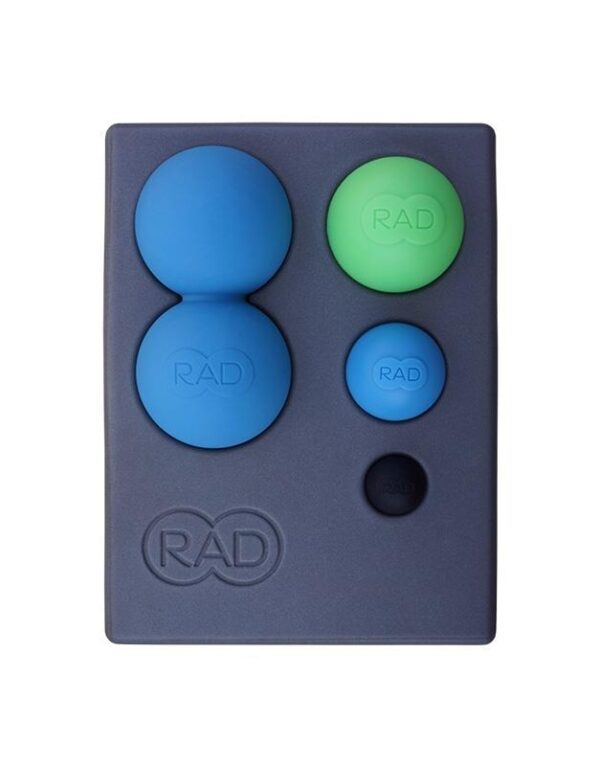
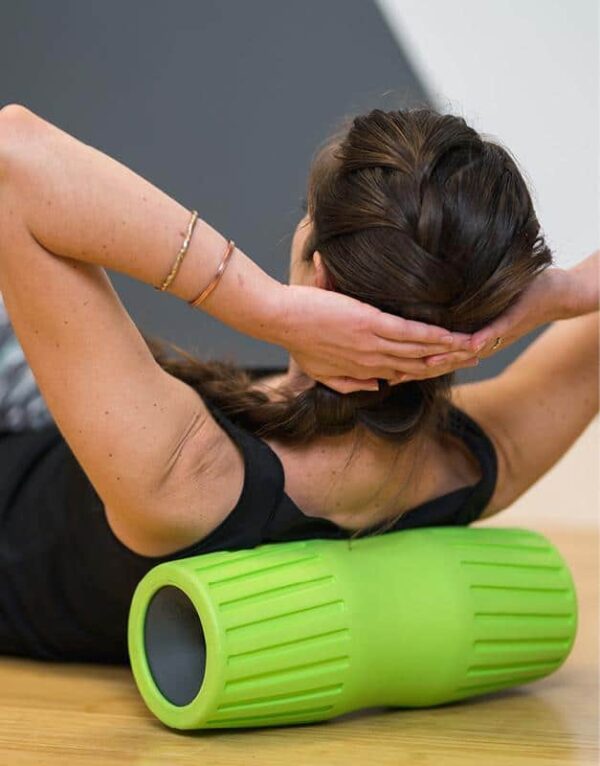
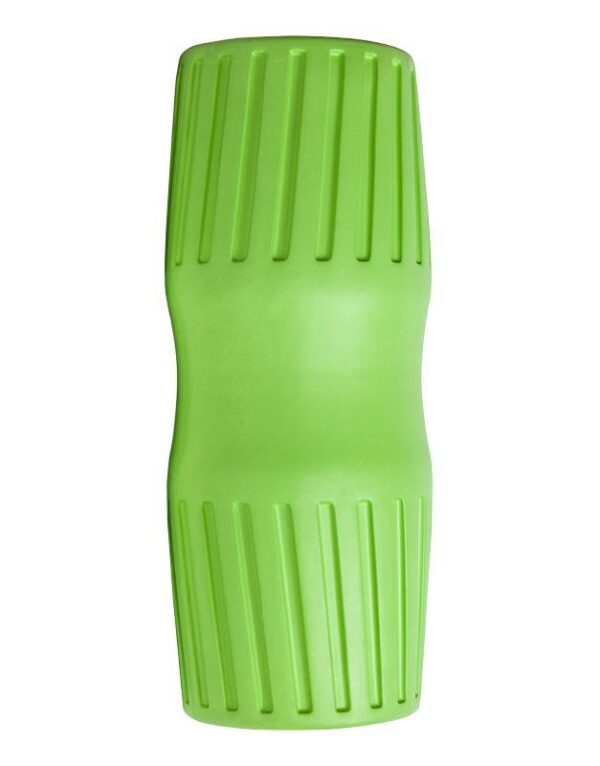
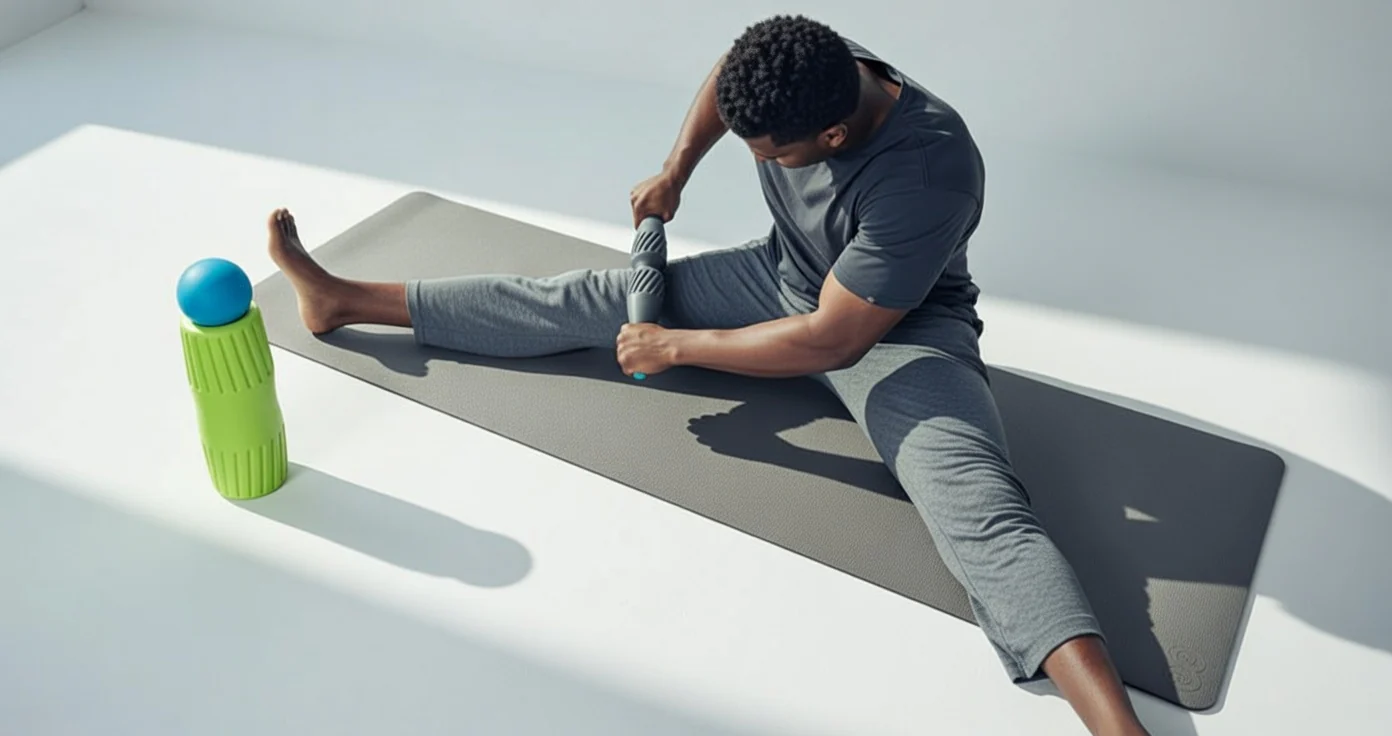
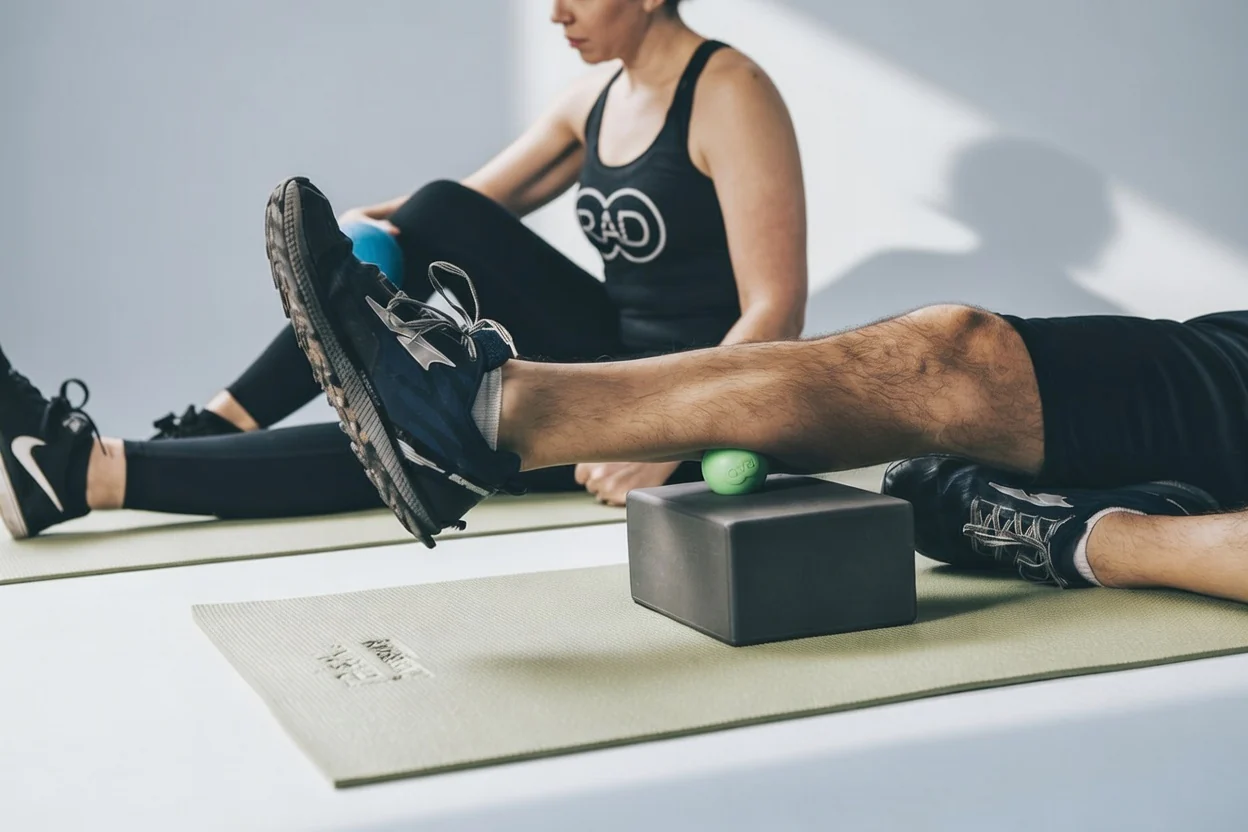
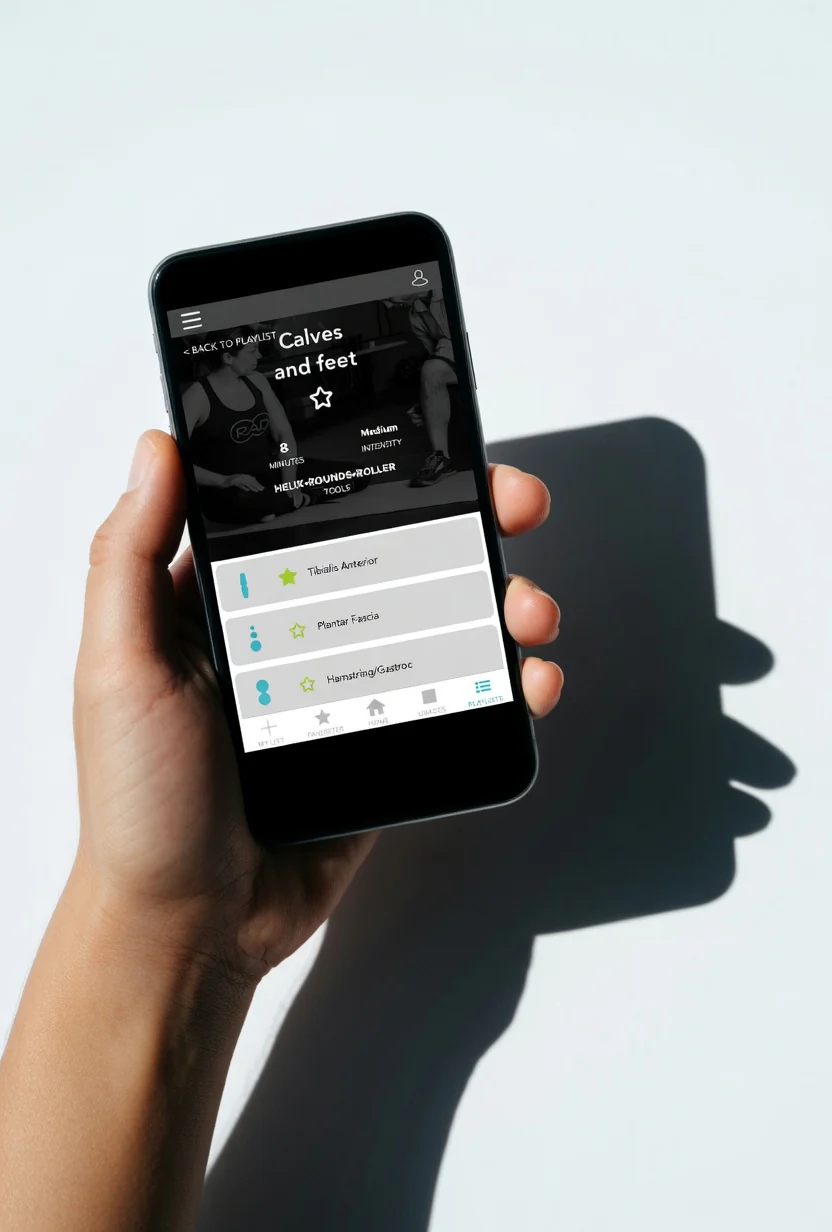
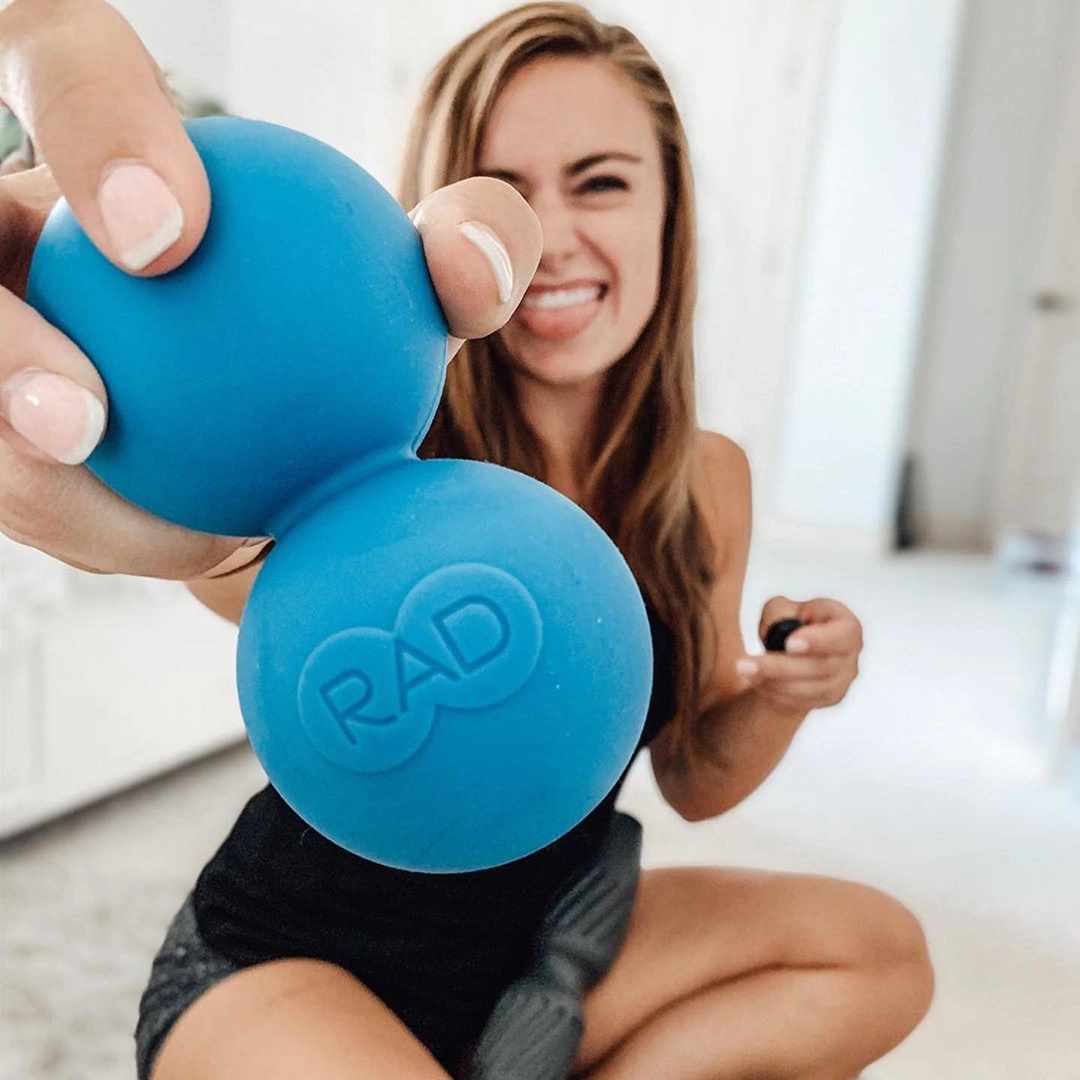
While the calf takes center stage, it’s important to map out the entire lower leg. Start with a larger surface tool like the Helix, and if you find a small, deeper tight muscle, switch to a smaller tool like RAD Rounds to precisely follow that muscle.
How to Address Tight Calves
To put it in perspective: a tight calf is like driving with the parking brake on. It brakes every movement your foot needs to make.
Now that we’ve addressed the root cause, it’s important to activate the muscles in the foot as well. To do this, we recommend using the Neuro Ball or Neuro Roller on the sole of your foot for a few minutes after releasing the calf. This helps your foot send signals to your brain that it’s time to get moving.

Recommended RAD Tools for Calves and Feet
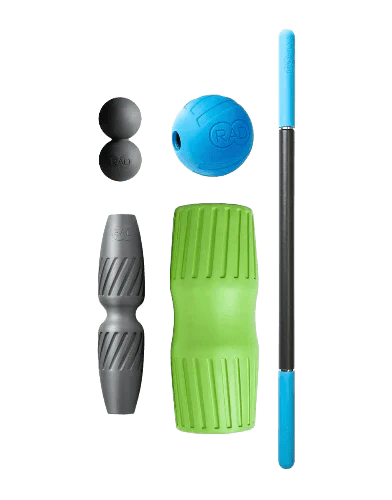
- Calf: RAD Roller, Helix, Axle, Rod
- Foot: Rounds, Neuro Ball, Recovery Rounds, Neuro Roller
Related Articles
RELATED PRODUCTS
SUGGESTED PRODUCTS