






Article
Self-Massage Techniques for Neck Pain
Oct
Neck pain and tension from poor posture can be relieved with simple self-massage techniques. Remember: self-massage should feel good, not hurt. Let’s get started!
What Are Self-Massage Techniques?
Self-massage is one of the oldest and simplest ways to keep your muscles in check and your body mobile and pain-free. It stimulates circulation, relieves pain, and overall helps you feel better day after day.

If money were no object, we’d all have a massage therapist at home—just like every professional sports team does. It’s no coincidence: it simply works. It helps with recovery, pain relief, and relaxation, and has for thousands of years. Nearly every culture has its own massage tradition. Since most of us don’t have a personal massage therapist, it makes sense to focus on self-massage for now.
Self-Massage Techniques
We focus on a tool-based approach, mainly because it’s difficult to work on your own back and neck by hand. First, let’s look at some basic principles.
Less Is Sometimes More
It’s important to think of self-massage as a lifestyle, not something you do once a month. You wouldn’t cram a week’s worth of workouts into a single session—with massage, it’s better to do a little more often.

The key that many people don’t realize: massage affects the nervous system. The autonomic nervous system is what regulates things you don’t consciously control—blood pressure, digestion, and perhaps most importantly for our topic: resting muscle tone. Excessively high resting muscle tone is usually a sign of too much stress. You don’t decide to have a tight neck—it’s your body’s way of putting you in a defensive state. This was useful in ancient times when you needed to tense up and run from a lion; most modern stress, however, isn’t physical danger but happens “in our heads.” It’s worth managing resting muscle tone because it throws off your posture, puts extra strain on your joints, and generally makes you tense.
Pressure Is Key
With self-massage, it’s better to “whisper” to your nervous system often than to “shout” at it once a week. Light pressure applied over a longer period creates a dialogue with your nervous system—because it’s always listening. Experienced practitioners instinctively know the right pressure; if you’re doing this for the first time, follow the guidance here.
Always Breathe
Massage therapists almost always start a session with light, long strokes. This immediately releases tension and allows the nervous system to calm down. You can do the same at home, using your breathing as a guide. If you have a massage ball under your hip, always ease into it gently. If you feel like you need to hold your breath, reduce the pressure—your nervous system is signaling that it’s too much.

Focus on what’s happening beneath the skin, and if you breathe deeply and consciously while doing so, you’re showing your body safe movements and teaching your nervous system to relax at the same time. Start with gentle pressure, especially if you’re trying to relieve pain. Leave the “no pain, no gain” attitude in the gym.
Useful Discomfort?
Discomfort is okay, pain is not. If you haven’t stretched your thigh in five years, there will probably be some discomfort—but not pain. This is an important distinction that your body knows well. The goal is a low level of discomfort that gives way to a feeling of ease after the massage: muscle tension releases, followed by a big relieved exhale.
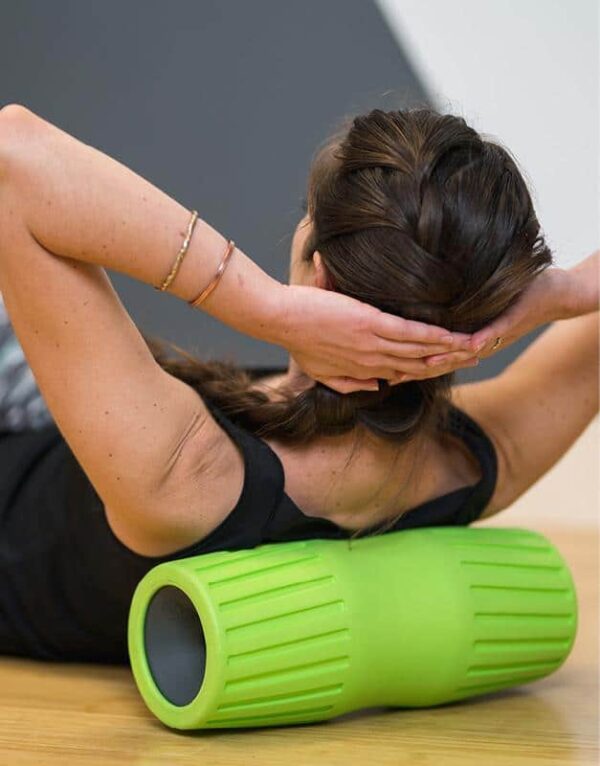
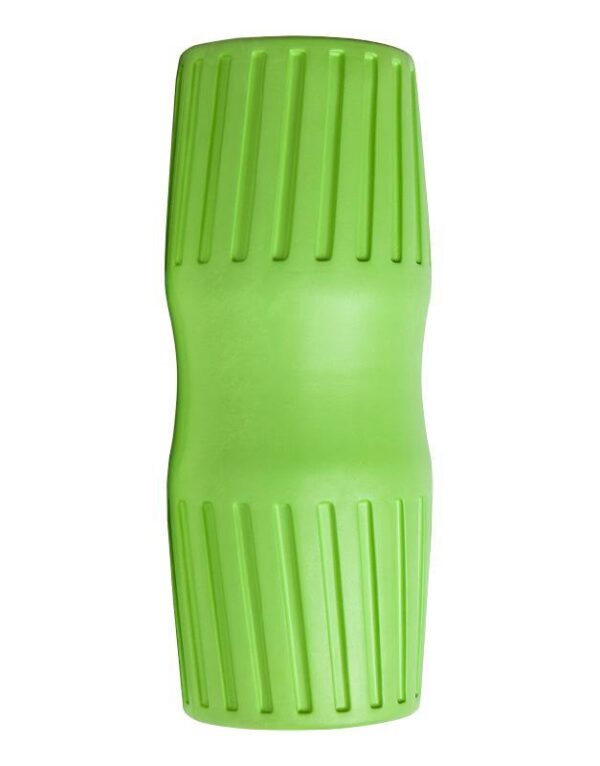
With tools, it’s always better to start bigger: the larger the tool, the more surface area the pressure is distributed over. Start with a large roller, not a tennis ball-sized one. You can always go deeper later—first, like a massage therapist, warm the tissue with gentle pressure, then gradually shift to firmer pressure. If you’re holding your breath or clenching your jaw, ease off the pressure.
Three Specific Self-Massage Techniques
There are three main techniques you should know, whether your goal is faster recovery of sore muscles, pain relief, or releasing tension.
Muscle Flushing
Recovery is about fluid flow: fresh blood in, waste out. Your body’s systems are already working on this—we’re just turbocharging the process. Muscle flushing is unique: we apply pressure and use long, light strokes to help fluid movement. We don’t spend a long time on one muscle, but rather stack up repetitions.

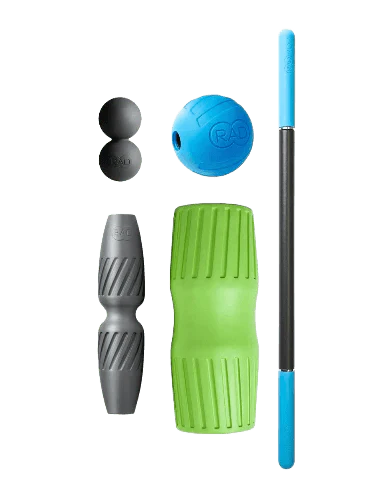
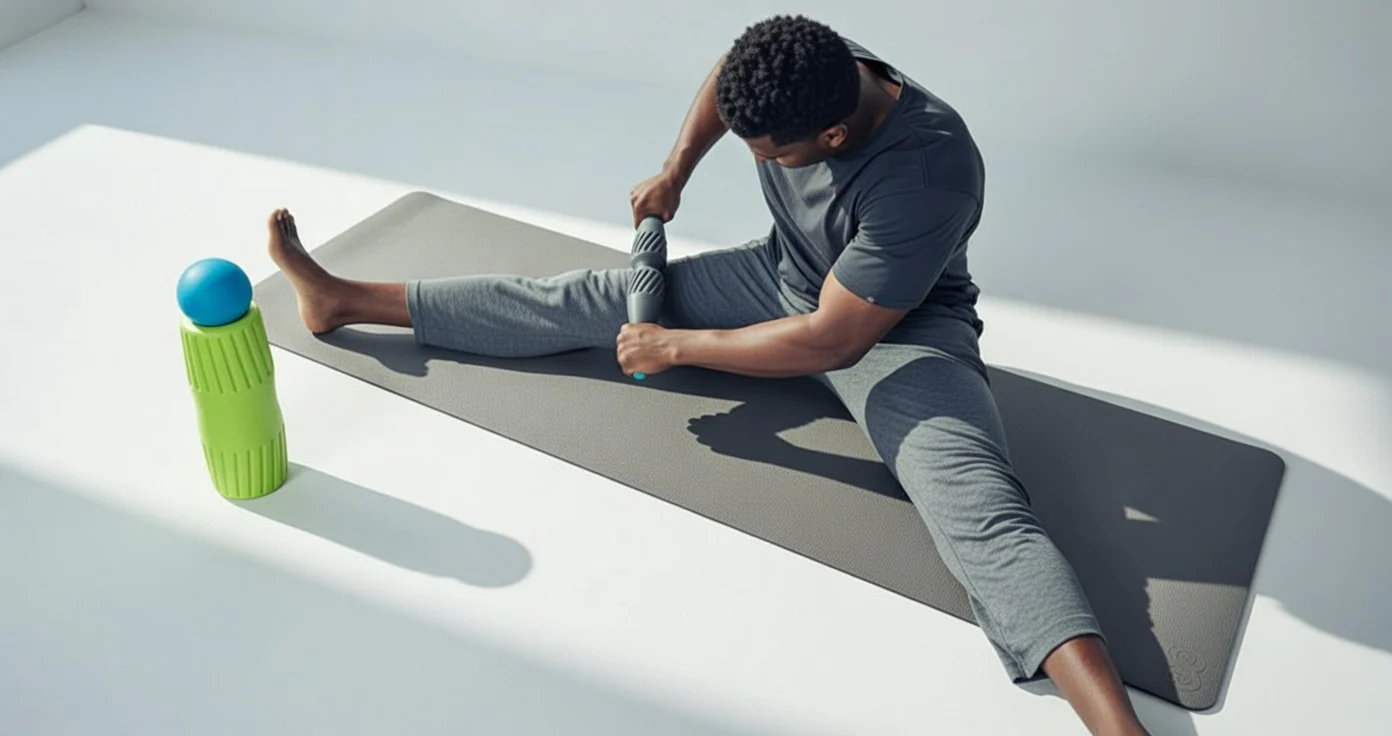
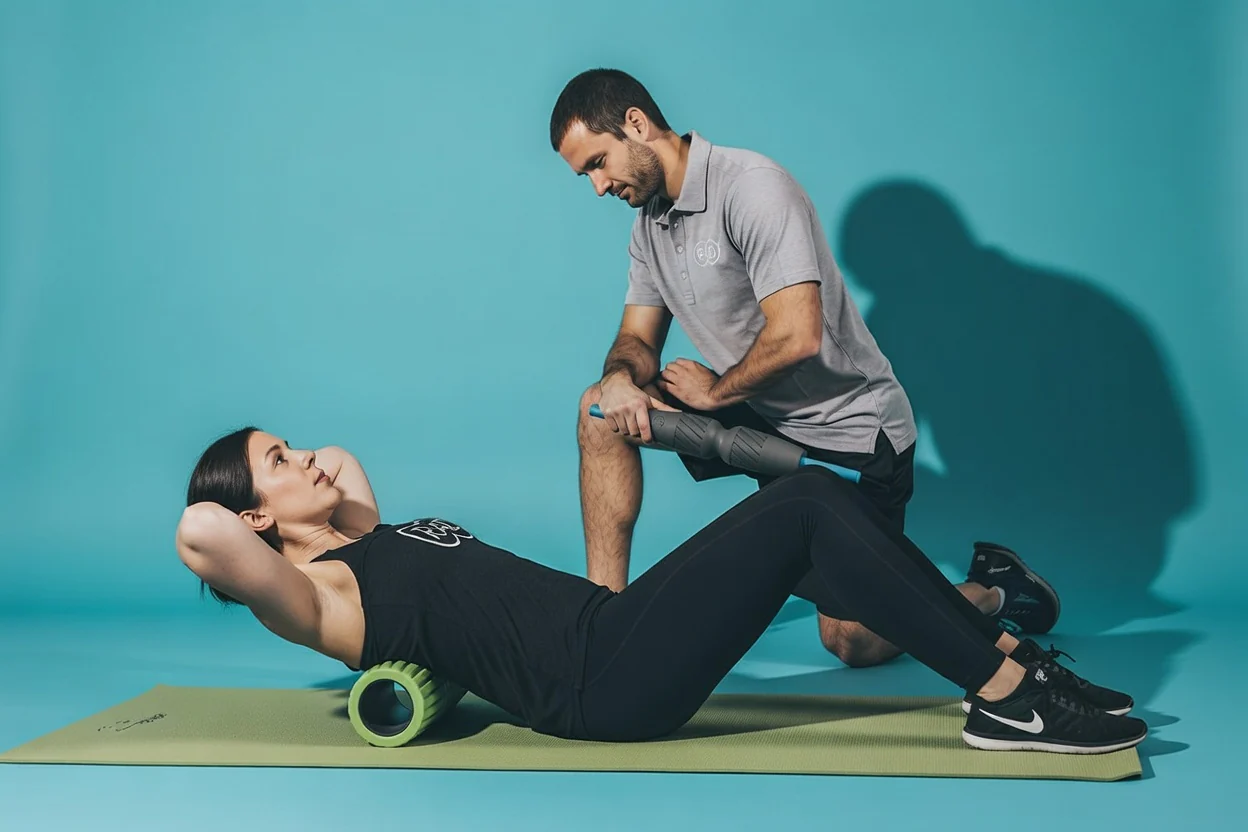
We use tools like massage sticks, larger rollers, and anything that doesn’t go too deep—very sore muscles don’t like too much poking. Aim for about 20 repetitions, and expect roughly a 50% reduction in pain.
Pin and Hold
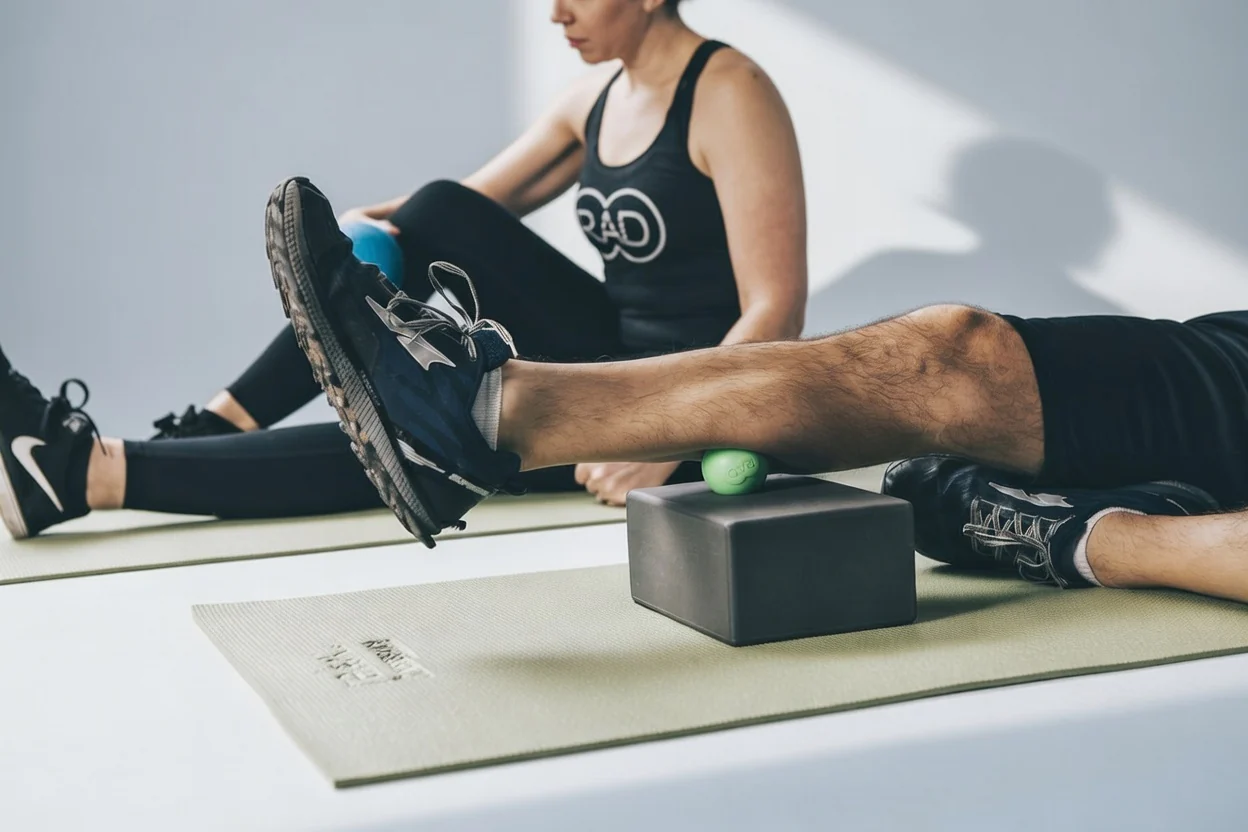
We use this technique when we want to increase the range of motion of a muscle or joint. There’s no simpler technique: compress the muscle, hold for 30-60 seconds, then move to the next point along the muscle.
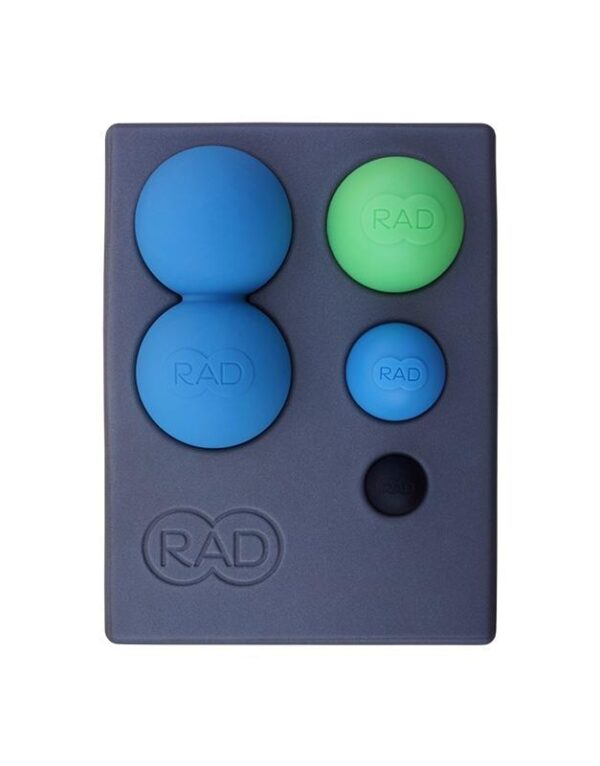

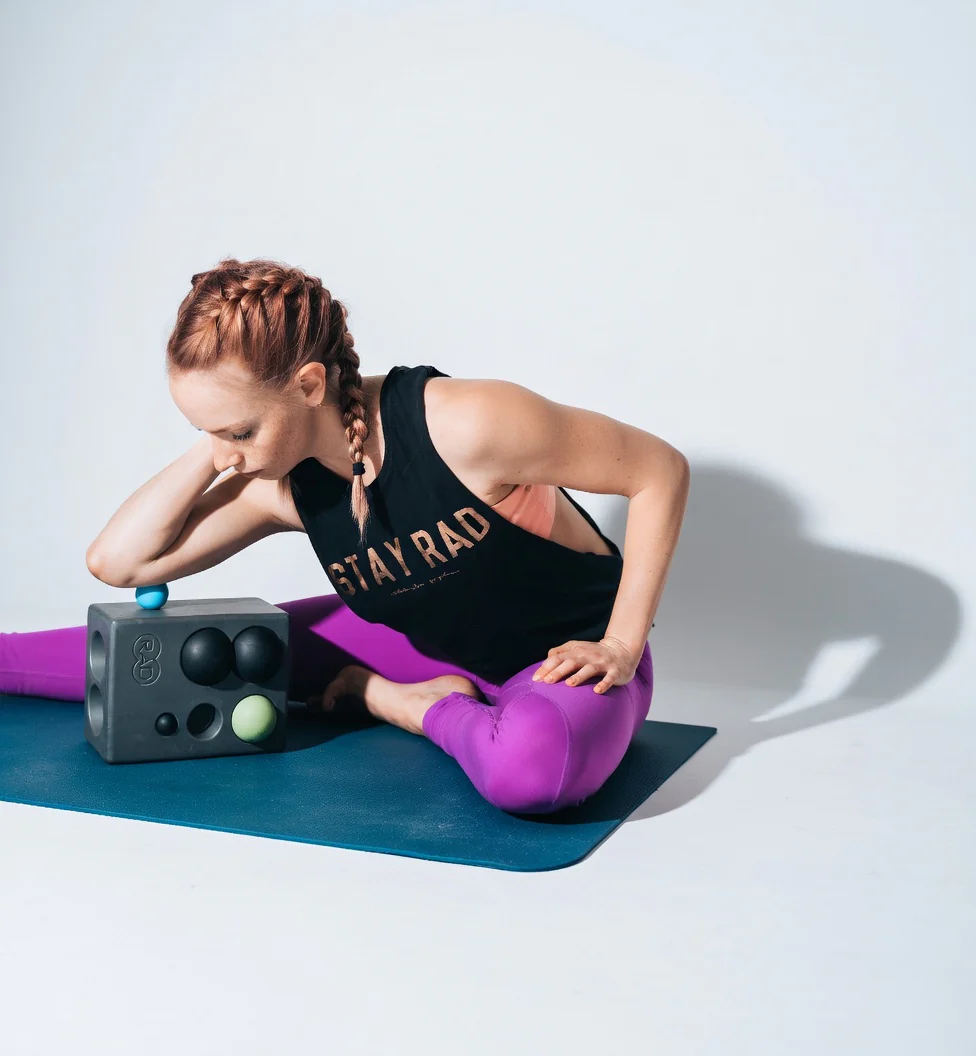
Take the sole of the foot as an example. Self-massage (myofascial release) works wonders for minor foot pain. Choose a ball—like the Neuro Ball—place your heel on it, and push your foot back until the ball starts to sink in. It’s important to be on tissue, not bone. Relax, breathe, and let your foot sink into the ball. Here, body weight is enough pressure.

You can use firmer pressure as long as you’re not grimacing in pain or holding your breath. Remember: useful discomfort, not pain—here, more pain simply means more pain, it doesn’t add to the results.
Trigger Points?
Trigger points are small, knot-like areas of tissue that are painful or at least uncomfortable. Sometimes working on them is enough and they disappear; other times they don’t. Occasionally more investigation is needed. For example, someone might have a “knot” in their back because the abdominal muscles on the other side of the body are twisting the spine. If you find a trigger point that won’t go away, a professional can help find the cause.
Shear
Shearing differs from compression because of the direction of force. Compression applies pressure straight into the muscle; shearing focuses on lateral pressure. We use it when we want to modify tissue in a specific direction.
Why would we shear tissue laterally? This has to do with the body’s fascial patterns. Fascia is the spider-web-like network of collagen that gives structure to muscles, skin, and organs—tendons and ligaments are built from it too. Muscle cells only move back and forth, but the structure of fascia organizes and maintains their shape.
We’re actually mobilizing and stretching the fascia, not the muscle cells themselves. Fascia sometimes builds up in a direction that doesn’t align with the muscle, pulling it sideways and holding the muscle in an awkward position.
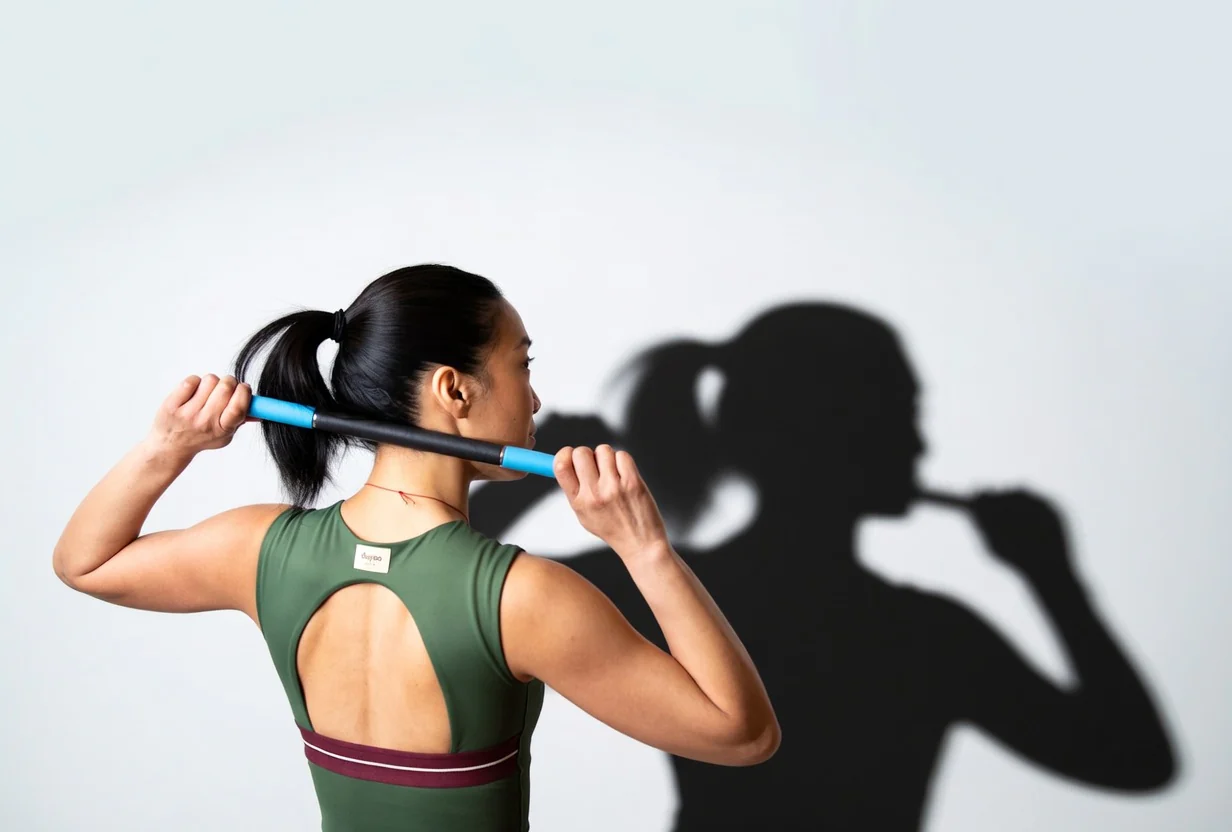
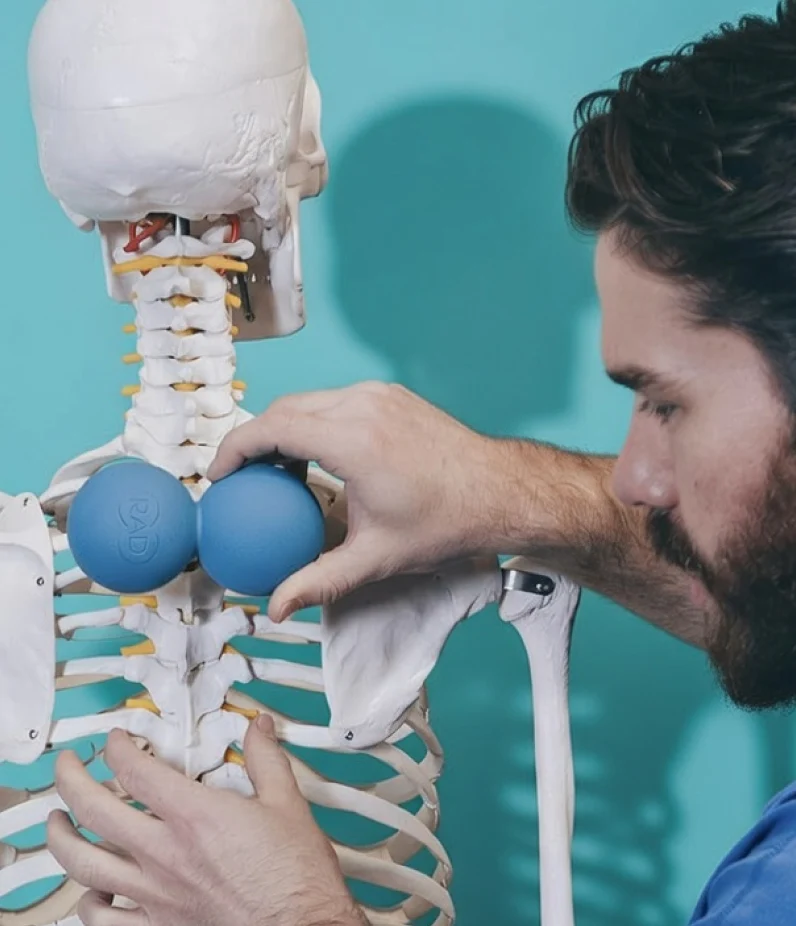
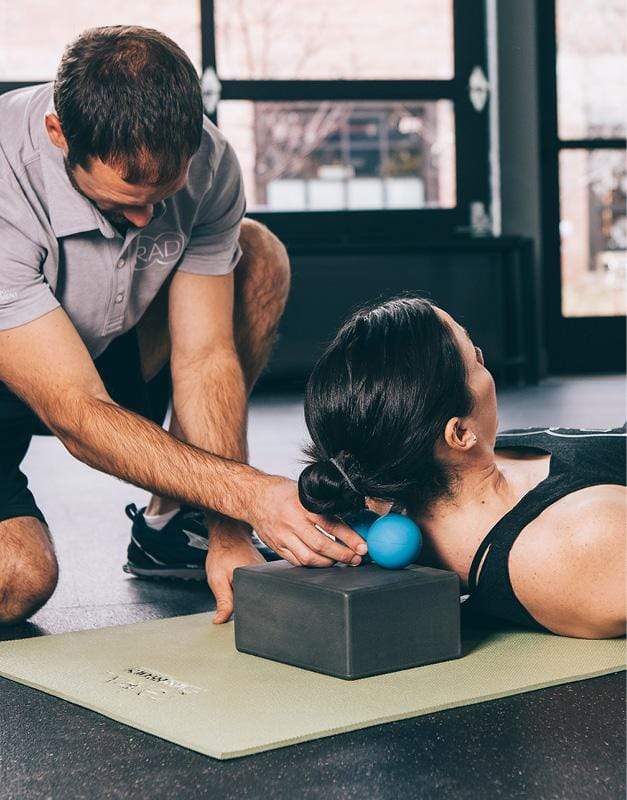
Here’s an example: for neck self-massage, grab a stick, apply pressure to the area below the skull (a common area for tension headaches), then roll it toward your back. You’re taking the tissue where you want it while also adding movement. As always, deep breathing helps relax the muscle tissue.

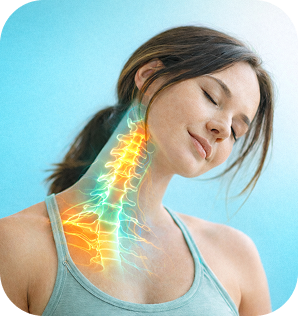
Most neck pain and tension is simply the result of overworked muscles at the back of the neck. Poor upper back posture causes the neck to shift too far forward, forcing these small muscles to constantly work overtime. If you’re in a painful situation or have recently had surgery, “shearing” can be a significant help in rehabilitation—but definitely talk to your rehab specialist or massage therapist.
Summary
Let self-massage be a gentle way to check in with your body—whether you’re releasing stress or stepping out of pain.
Don’t Be Afraid to Explore
These techniques provide a safe framework for exploration—and we want you to explore! Have you ever done self-massage on your jaw? Your lats? The more you try and the more you learn about your own body’s strengths and tensions, the better off you’ll be.
Discomfort Is Okay, Pain Is Not
Self-massage should never hurt—at most it should feel “good sore.” If any movement causes pain or makes you feel worse, simply switch to a different area.
Less Is Sometimes More
Self-massage is like exercise: you won’t get super fit from a single session, and massage doesn’t produce results overnight either. Use lighter pressure and more frequent sessions to gradually reset your tissues. We’re not saying you won’t feel better right away—but give it time, and the results will come. Start exploring and enjoy the journey!
Related Articles
RELATED PRODUCTS
SUGGESTED PRODUCTS