











Article
3 Strategies Against Shin Splints
Oct
By Shaun Palmer, PT, DPT, ATC
Shin splints (medically known as medial tibial stress syndrome) don’t have to mean the end of your running career. Here are a few simple steps to keep your shins healthy.
What Are Shin Splints?
Shin splints are a common running injury, affecting up to 20% of runners and 35% of military recruits. They typically show up when you change your training routine, surface, or intensity. These changes cause microtrauma to the bone and muscle along the shin, which triggers pain. You can often feel small, inflamed pockets along the edges of the shin bone (tibia). Left untreated, shin splints can derail your training plan and drag on longer than they need to. Caught early, though, you can treat them at home with the steps below.
Important safety warning: if your symptoms get worse, significant swelling develops in your lower leg, or you feel numbness, tingling, or weakness in your foot, this could be a medical emergency that can progress into a condition called compartment syndrome. If that happens, seek medical care immediately. If your symptoms are too severe or last too long, treatment from a physical therapist is needed.
To treat shin splints, it’s important to release the adhesions caused by the microtrauma, ice the area, and stretch. Here are 3 things you can do.
1. Stretch
Stretch the tibialis anterior, the muscle that runs along the side of your shin bone. Hold for 30–60 seconds, and repeat twice.

2. Roll It Out
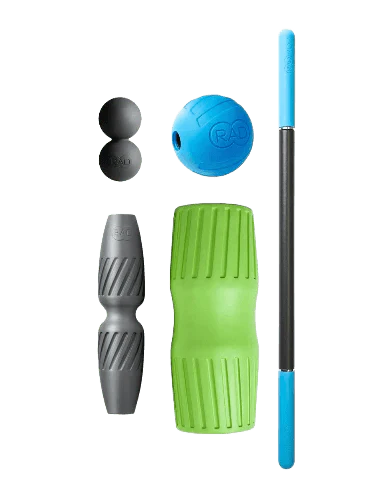
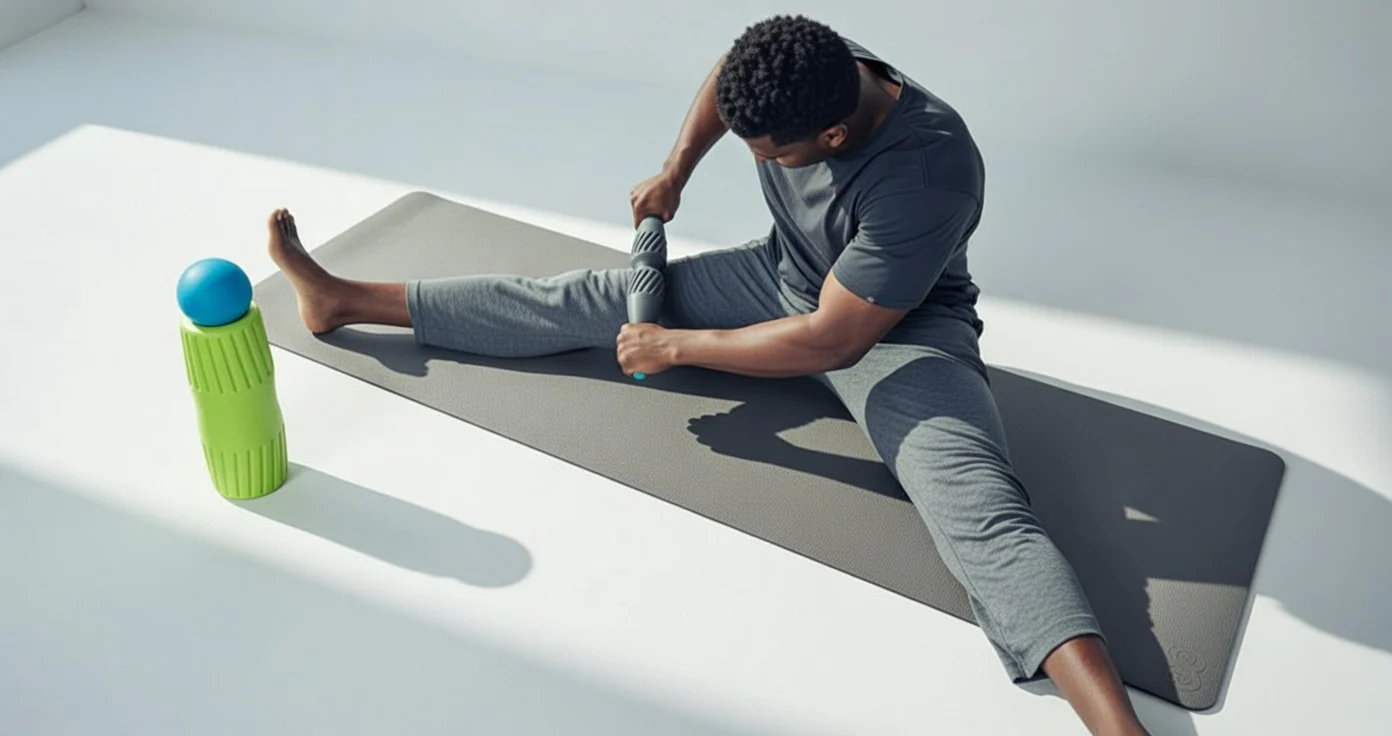
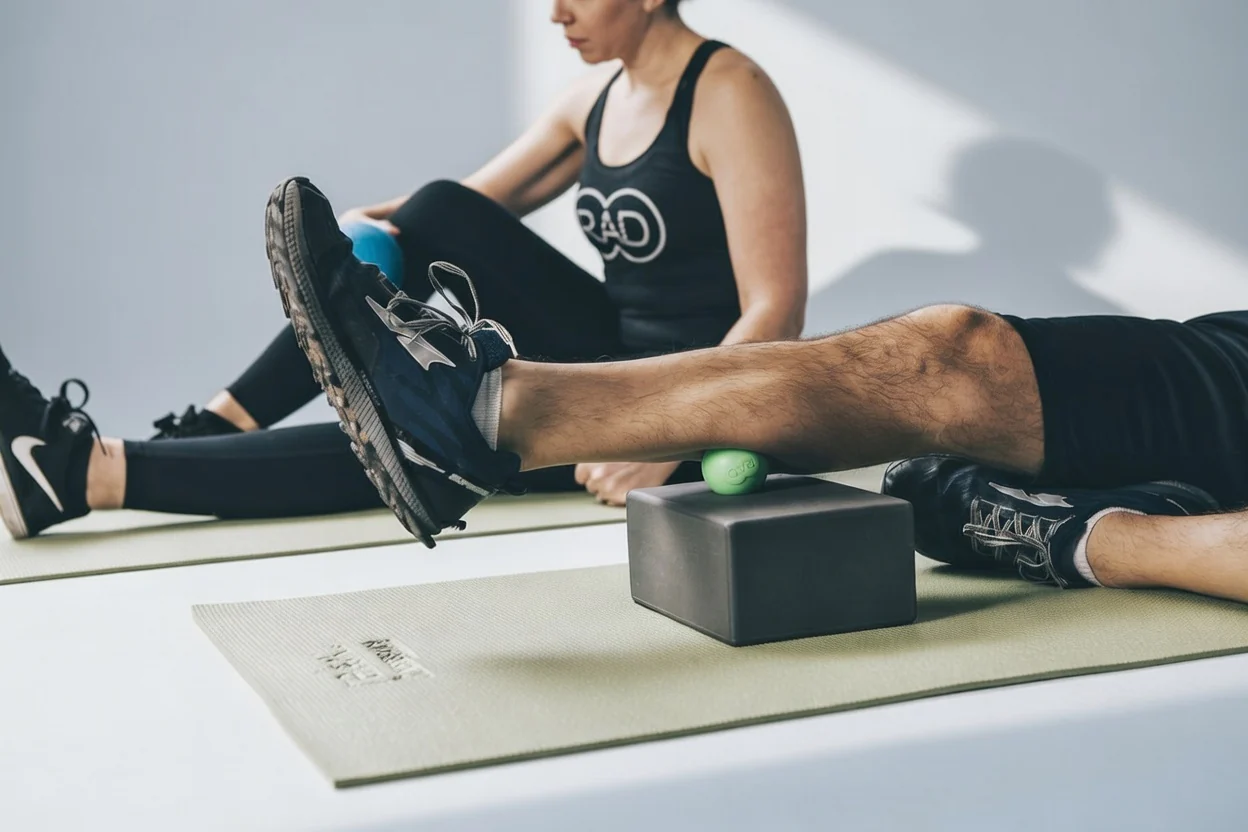
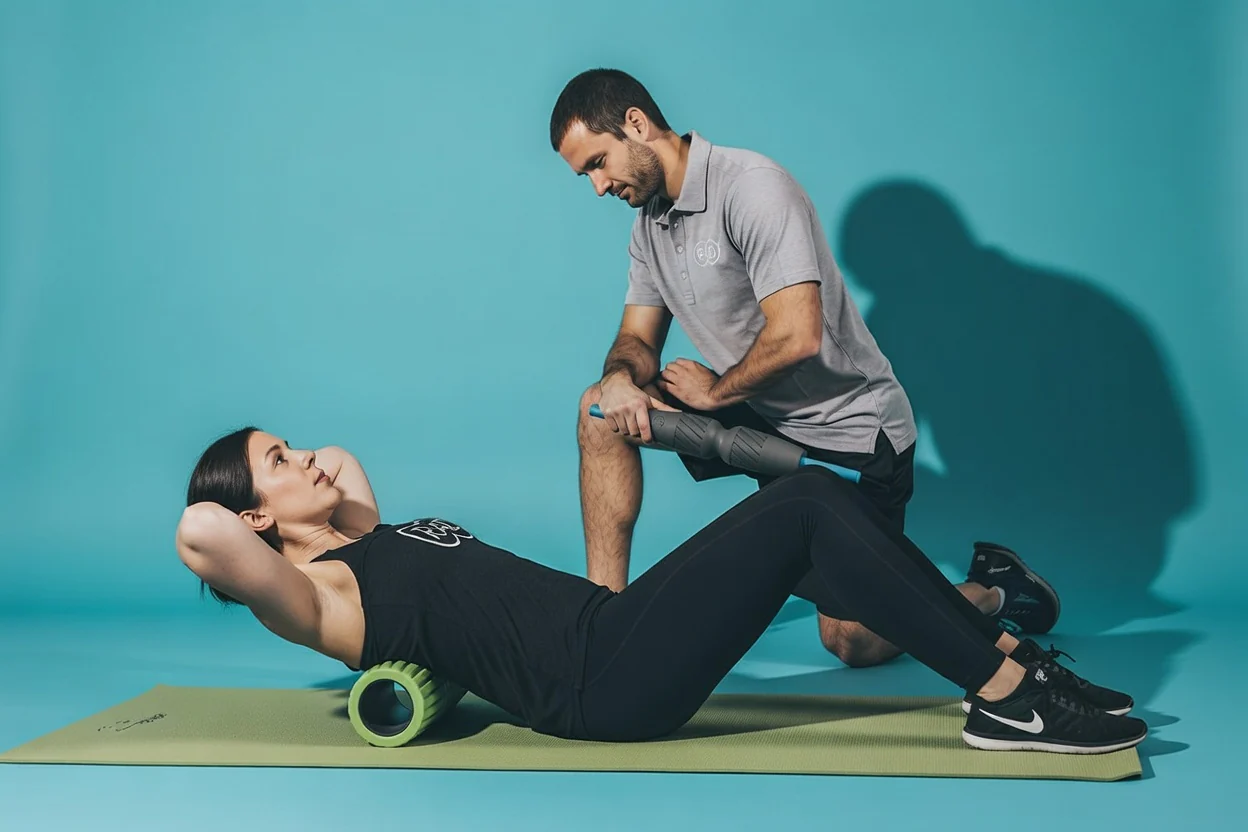
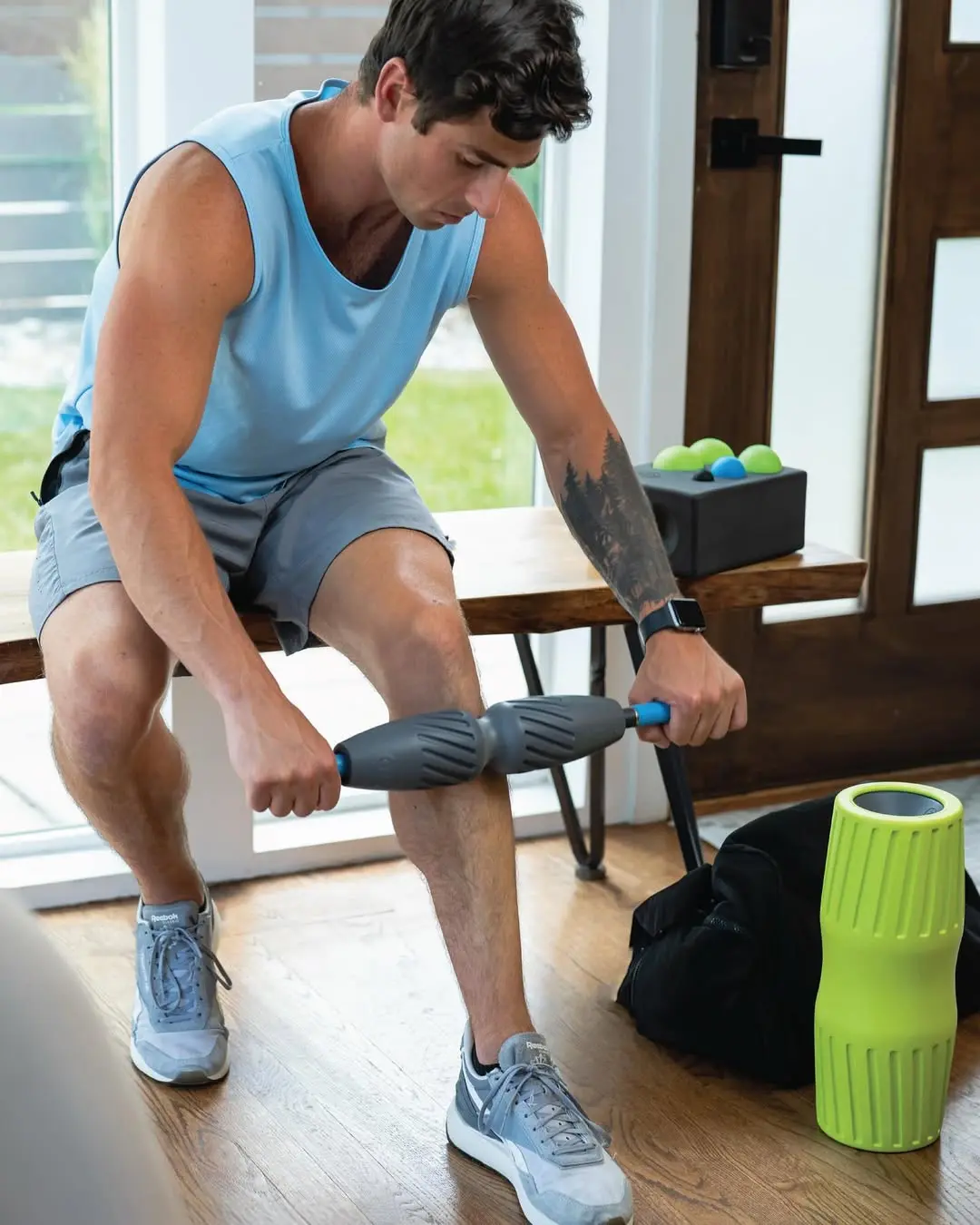
There are several ways to roll out the tibialis anterior. You can use the RAD Rod: apply tolerable pressure for a few minutes a day. Even if you don’t have shin splints, you can do this before a run as prevention.

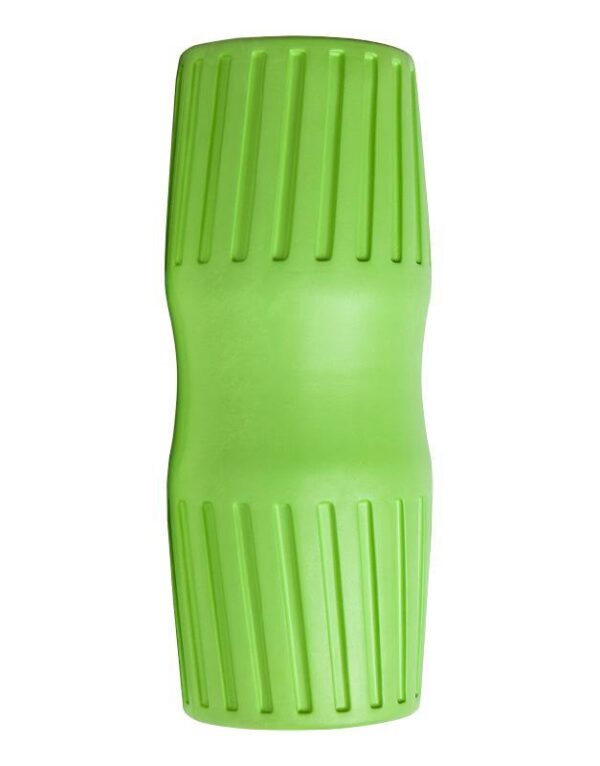
Or you can use the RAD Helix: place your shin in the Helix’s groove, press down with tolerable pressure, and roll up and down.

3. Ice Massage
Here’s a neat trick: fill a paper cup with water and freeze it. Then peel back the top of the cup to expose the ice, and massage the sore areas with it as firmly as you can tolerate for 5 minutes. Do this daily.

Related Articles
- How Much Do You Know About Tight Calves?
- How to Walk and Stand Pain-Free
- The Best Recovery Techniques for Marathon Training
RELATED PRODUCTS
SUGGESTED PRODUCTS